How to Choose Safe and Legit Bitcoin Casinos in Canada 2026: A Complete Player's Guide to Licensing, Security, and Responsible Gambling
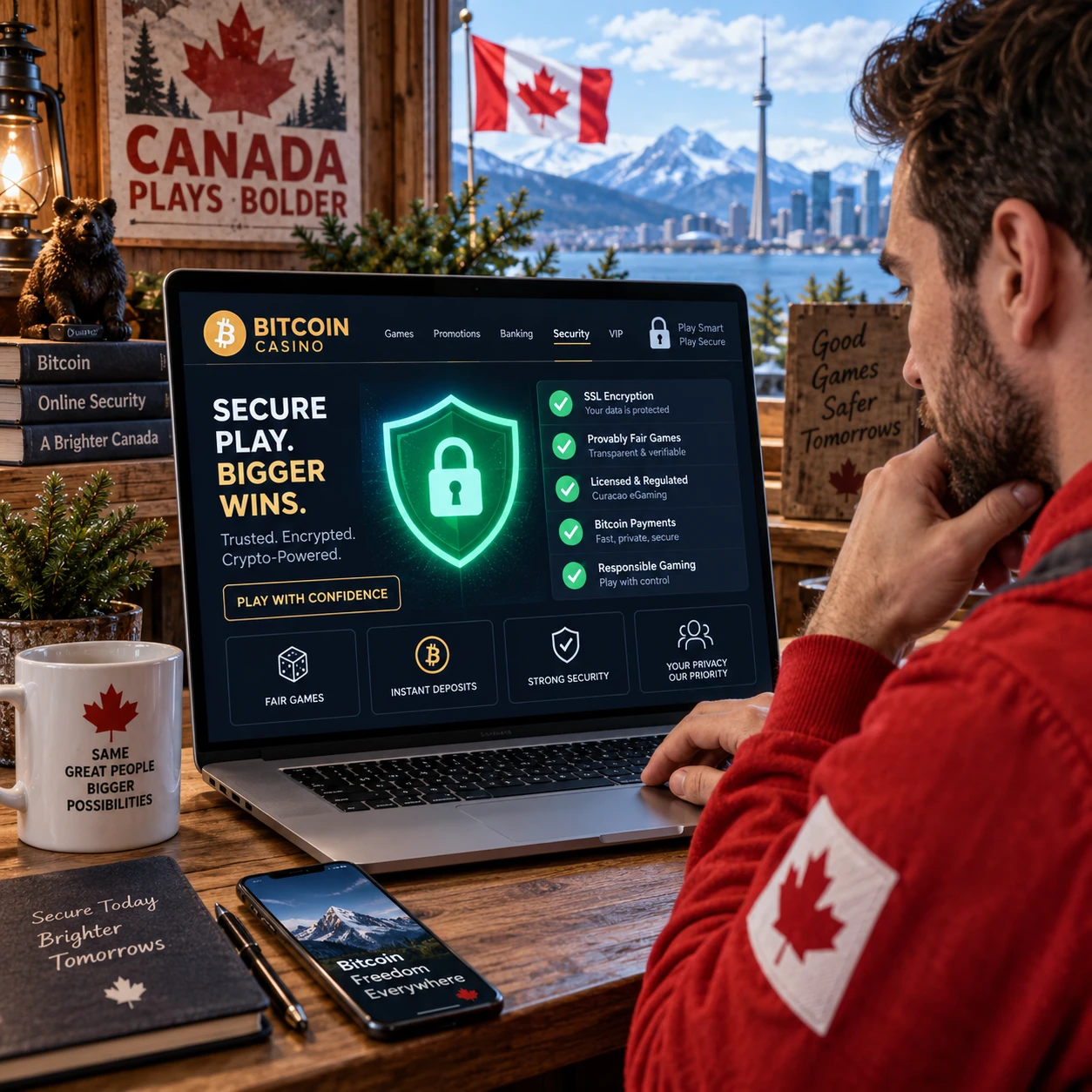
I've watched the crypto gambling scene in Canada shift pretty dramatically over the past couple of years, and honestly? It's been wild to see how fast things move. More Canadian players are turning to Bitcoin and other cryptocurrencies for online gambling in 2026 than at any point before — the draw is obvious once you've tried it. Faster transactions. Privacy that regular banking just can't touch. Lower fees because there's no middleman skimming off the top. But here's the catch, and it's a big one: crypto gambling largely sits outside the traditional regulatory framework most of us grew up trusting. That means the due diligence falls on you, the player, not some government body watching your back. So in this guide, I'm walking you through exactly what to look for — the stuff that separates platforms worth your trust from the ones that'll leave you high and dry.
What Makes a Bitcoin Casino 'Legit' in Canada?
When I'm sizing up whether a bitcoin casino is actually legitimate, I'm not getting distracted by flashy graphics or a homepage that looks like it cost six figures. Legitimacy, in my book, comes down to three things: proper licensing, transparent terms of service, and ownership you can actually verify. A casino that hides who's running the show, or buries its terms in dense legal jargon nobody reads, is already waving a red flag. Legit operators tend to show off their licensing credentials — they're proud of it, and they make their policies easy to find and even easier to understand.
Licensing and Regulatory Bodies to Look For
Canada doesn't have one single federal body overseeing crypto casinos the way some provinces regulate traditional gambling, so most reputable platforms end up holding licenses from established international jurisdictions instead. Keep an eye out for licenses from the Malta Gaming Authority or the Government of Curacao — both require operators to meet real standards around fairness, fund protection, and dispute resolution. Some provinces, Ontario being a notable one, have started extending their own regulatory frameworks to cover certain online gambling operators too, so a provincial registration is another solid sign. Why does licensing matter so much? Simple: it gives you somewhere to turn if things go sideways. Without it, you're basically just trusting the casino's word, and that's a thin thing to lean on.
Red Flags of Unlicensed or Fraudulent Platforms
I've stumbled across plenty of sites that look polished on the surface but fall apart the second you dig in. Watch for an absence of license numbers or regulatory info tucked in the footer, vague or missing 'About Us' pages, a pile of overwhelmingly negative player reviews on independent forums, and withdrawal policies that seem designed to confuse rather than clarify anything. Anonymous ownership is another massive warning sign — if you genuinely can't figure out who's running the operation, that's reason enough to just walk away. No exceptions.
Security Features Every Safe Bitcoin Casino Should Have
Beyond licensing, the technical backbone of a casino tells you a lot about how seriously it takes protecting its players. I always check for SSL encryption across every single page, not just the login screen — plenty of sketchy operators only bother securing the obvious spots. Reputable platforms store most of their crypto reserves in cold wallets, keeping funds offline and well away from hackers. Two-factor authentication should be standard, not some optional add-on buried in settings, and provably fair gaming tech is quickly becoming the gold standard for transparency in crypto gambling specifically.
Understanding Provably Fair Algorithms
This is genuinely one of my favorite things about blockchain-based casinos. Provably fair systems let you verify, mathematically, that a game's outcome wasn't tampered with after the fact. Here's roughly how it works: the casino generates a hashed seed before the round even starts, you combine that with your own input, and once the game wraps up, you can independently check that the result was fair. No trust required — just math. It's a level of transparency traditional RNG-based casinos simply can't match, since with those you're trusting their internal systems rather than something you can verify yourself.
Evaluating Payment Methods and Withdrawal Policies
Fast, hassle-free payouts are one of the clearest tells you're dealing with a legitimate operator. I always test the waters with a small deposit first, then try a modest withdrawal just to see how long it actually takes in practice. Legit platforms process crypto withdrawals within minutes to a few hours — not days, not 'pending review' purgatory. Pay close attention to minimum and maximum withdrawal limits, plus network fees, which shift depending on whether you're moving Bitcoin, Ethereum, or a stablecoin. If a casino makes withdrawals needlessly complicated, or stalls without any real explanation, that's your cue to take your business elsewhere.
Comparing Game Selection, Software Providers, and Bonuses
A strong game library backed by well-known software developers like Pragmatic Play or Evolution Gaming is another decent indicator of legitimacy. These providers have reputations worth protecting, so casinos partnering with them generally go through some level of vetting before the deal even happens. When it comes to bonuses, I've learned — the hard way, more than once — to read the fine print instead of getting swept up by a big percentage number flashing across the screen. A generous-looking welcome bonus with reasonable wagering requirements? Great. One with 50x wagering and a tiny withdrawal cap? That's basically built so you never actually cash out.
Spotting Unrealistic Bonus Offers
If a bonus looks too good to be true, it probably is. Common traps: excessively high wagering requirements, bonus funds that expire in windows way too short to realistically clear them, and withdrawal caps that quietly limit how much of your own winnings you get to keep. I always recommend reading the bonus terms in full before claiming anything at all — a trustworthy casino keeps its conditions straightforward enough that you can understand them in under five minutes. If it takes longer than that, ask yourself why.
Responsible Gambling and Player Protection Resources
Even once you've found a casino that checks every box on licensing and security, responsible gambling habits still matter — a lot. Setting personal deposit limits, using self-exclusion tools, and knowing the early warning signs of problem gambling are things every Canadian player should take seriously, regardless of how trustworthy a platform seems on paper. I'd strongly encourage anyone exploring crypto gaming to consult trusted resources like the bitcoin casinos awareness organization, which offers education, support tools, and practical guidance for keeping gambling habits healthy while still enjoying the crypto gaming experience responsibly.
Step-by-Step Checklist Before You Sign Up
- Verify the casino's license and confirm it with the issuing regulatory body directly.
- Check for SSL encryption, cold wallet storage, and two-factor authentication.
- Test a small deposit and withdrawal to assess speed and transparency.
- Review game providers to confirm they're reputable, established names.
- Read bonus terms fully, paying close attention to wagering requirements and caps.
- Look for built-in responsible gambling tools like deposit limits and self-exclusion.
- Search independent player reviews and forums for recent feedback.
Common Questions About Bitcoin Casinos in Canada
Is crypto gambling legal in Canada? Online gambling exists in a gray area at the federal level, but most Canadians access offshore-licensed crypto casinos without legal issues, since enforcement typically targets operators rather than individual players.
How do taxes work on crypto winnings? Gambling winnings generally aren't taxed in Canada unless gambling counts as your primary source of income — though you'll want to consult a tax professional regarding any gains made from holding or converting that crypto afterward.
What's the safest way to store casino winnings in Bitcoin? I always move significant winnings into a personal hardware wallet rather than letting funds sit on the casino platform or an exchange longer than they need to. Why tempt fate?
Choosing a safe, legitimate bitcoin casino in Canada really comes down to doing your homework before you ever deposit a dollar — or a satoshi, for that matter. Prioritize verifiable licensing, solid security infrastructure, honest payment practices, and fair bonus terms over whatever flashy marketing happens to catch your eye. And no matter how trustworthy a platform looks on the surface, keep responsible gambling practices front and center — always. The casinos worth your time in 2026 are the ones treating transparency and player protection as seriously as they treat the games themselves.